
Small Rituals for Hard Days
There are days when the elaborate morning practice doesn't happen and the shutdown sequence gets skipped and the transition ritual is a distant memory and you're just trying to get through. The kind of day where something went wrong before you were fully awake, or where the weight of everything accumulated overnight into something heavy and specific, or where nothing dramatic happened at all and it's just hard in that quiet ambient way that's somehow harder to explain than the dramatic version.
The Stories We Tell Ourselves About Our Writing
Somewhere underneath the actual writing, underneath the drafts and the revisions and the submissions and the rejections and the occasional small victories, there's a narrative running. Usually quietly. Sometimes very loudly at two in the morning.
The Difference Between a Writing Practice and a Writing Habit
These two things get used interchangeably so often that most writers don't realize they're talking about different things. And the difference matters, because conflating them is responsible for a particular kind of suffering that's completely avoidable.

Structural Revision
Most writers, when they revise, revise sentences. They return to the draft and read it closely, improving the language, clarifying the unclear, cutting the excess, finding better words for the approximate ones. The sentences get better. The paragraphs become more precise. The voice sharpens.

The Body in Meditation
Most introductions to meditation present it as primarily a mental activity. You sit, you direct your attention, you notice when the attention wanders, you return it. The body is infrastructure, the thing you arrange in a suitable position before the real practice begins.
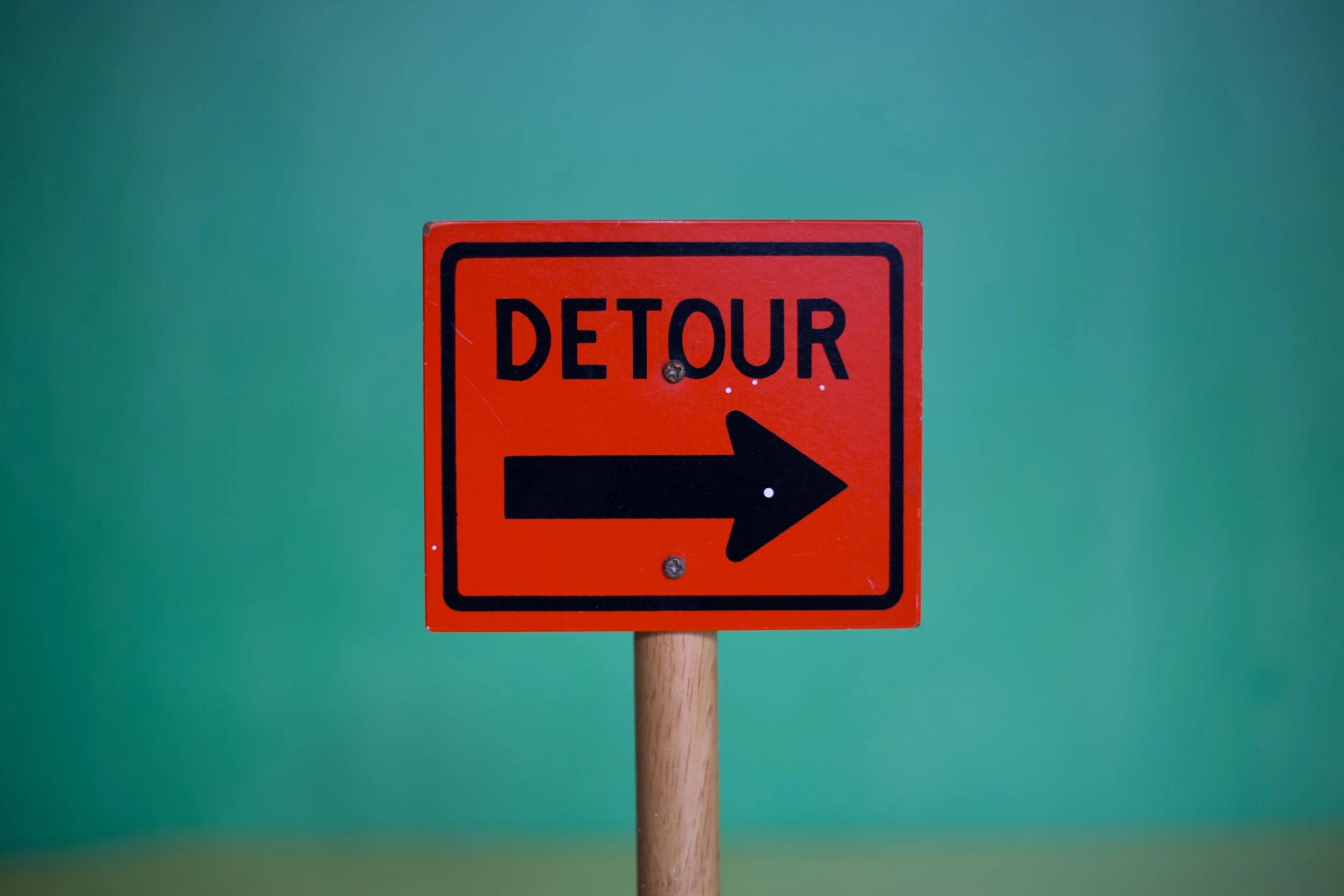
The Creative Detour
You're supposed to be working on the thing. The novel, the series of paintings, the album, the project that has a deadline and a commitment attached to it and people who are expecting it. You know what you should be doing and you're not doing it. You're doing something else instead, something that appeared without being planned, something that doesn't fit into the project or the schedule or the professional narrative of what you're currently working on.

Recovery Never Looks (or feels) Linear
Here is what recovery from burnout or creative depletion is supposed to look like, according to the story most people tell themselves about it: you stop, you rest, you feel progressively better, and at some point you return to the work restored and ready. The line goes up. Each day is better than the last. The trajectory is clear and the destination is knowable.

Why You Keep the Work to Yourself
You have a folder. Maybe it's on your desktop, maybe it's a physical notebook in a drawer, maybe it's a document that hasn't been opened in months but that you know is there. Inside it is work that's finished, or close enough to finished that the gap between where it is and where it would need to be to share it is not actually that large.

Eating, Energy, and the Creative Day
Nobody talks about blood sugar in the context of creative work. It's not a romantic subject. It doesn't fit the image of the writer sustained by coffee and obsession, the artist too absorbed in the work to think about something as mundane as lunch. The creative mythology we've inherited is largely a mythology of transcendence, of rising above the body's demands in service of the work.
The Ritual of Beginning
We don't talk much about beginnings as something that deserve ceremony. A new project gets a new folder, maybe a new notebook, and then you're supposed to just get on with it. A new year gets a list of resolutions and then the list gets lost somewhere around the third week of January. A new chapter of life, a move, a career change, a relationship that ends or begins, these get acknowledged socially if you're lucky, and then life continues and the transition gets absorbed into the ongoing stream of things without ever quite being marked.

Writing Through Grief and Hard Seasons
Nobody plans for the year their mother gets sick, or the relationship that ends badly, or the job that disappears, or the diagnosis that reorders everything. Nobody schedules the grief. It just arrives, and suddenly the life you were living, including the writing life you were building, has to be renegotiated from the ground up.

Finding Your Voice When You Don't Know What It Sounds Like
At some point, almost every writer gets the same piece of advice: find your voice. It's offered confidently, as though voice is a thing you misplaced somewhere and just need to go look for. Check under the couch. Try the junk drawer. It'll turn up.
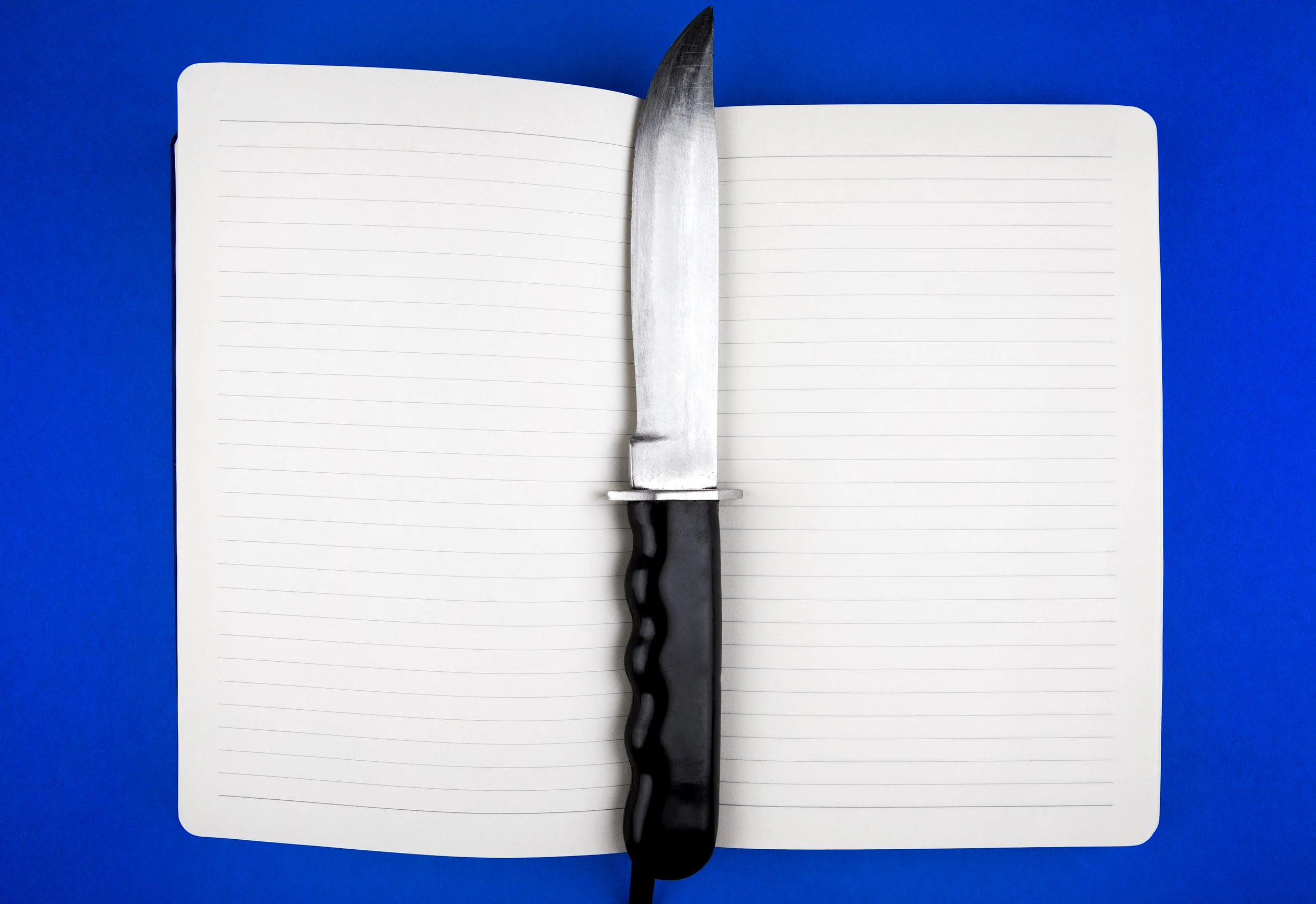
Killing Your Darlings, Gently
Kill your darlings is one of the most quoted pieces of writing advice in existence, attributed variously to William Faulkner, Oscar Wilde, Samuel Johnson, and Arthur Quiller-Couch, which is itself evidence that the advice is old and widely recognized as important. The instruction is clear in its general direction: the things you love most in your own writing are the things most likely to need cutting.

Contemplative Practice for the Non-Religious
If you didn't grow up with a contemplative tradition, if the word meditation carries associations that feel foreign or uncomfortable or simply not yours, the entry point into these practices isn't always obvious. The books and the teachers and the apps tend to assume either a religious framework that you don't share or a secular wellness framework that may feel shallow or commercialized in ways that don't quite fit what you're looking for.
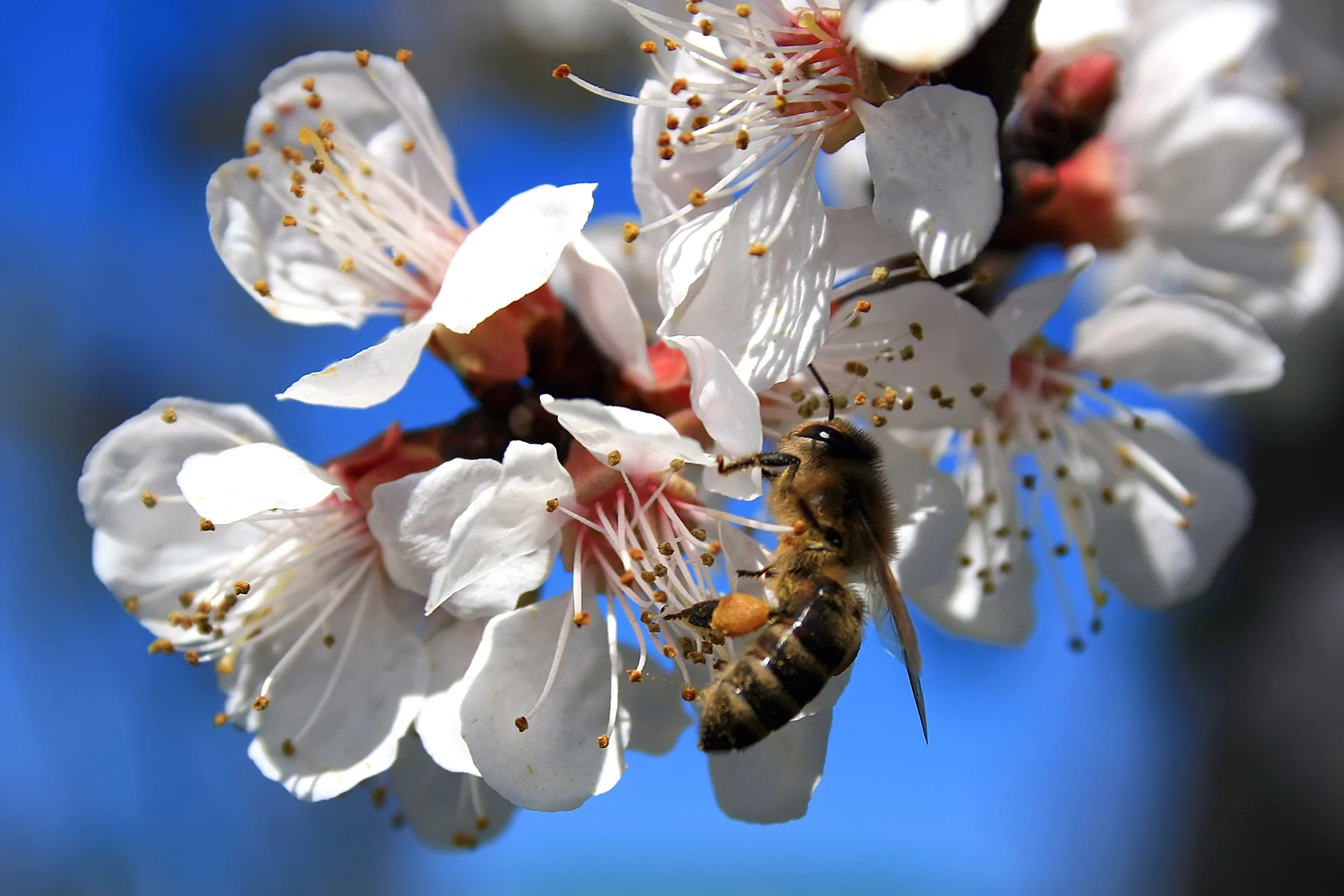
What Cross-Pollination Actually Does
There's a moment that most creative people recognize, the moment when something from outside your usual territory suddenly illuminates something inside it. You read a book from a field you don't usually read and a sentence in it reframes a problem you've been having in your own work. You see an exhibition of a form you don't practice and the way the artist handled a particular challenge suggests a solution to a completely different challenge in a completely different medium.

What a Sabbatical Is For
The word sabbatical comes from the same root as sabbath, the day of rest, and in its original agricultural context referred to the practice of leaving fields fallow every seventh year to allow the soil to recover its fertility. The land that had been producing for six years got one year of doing nothing, of accumulating organic matter and restoring the microbial life that sustained productivity, and the productivity that followed the fallow year was better for the rest.

The Vulnerability of Being Seen
Most of the conversation about vulnerability in creative work focuses on the before. The fear before you share something. The resistance before you submit. The shame storm in the immediate aftermath of putting something out. These are real and worth addressing.
Movement and the Creative Brain
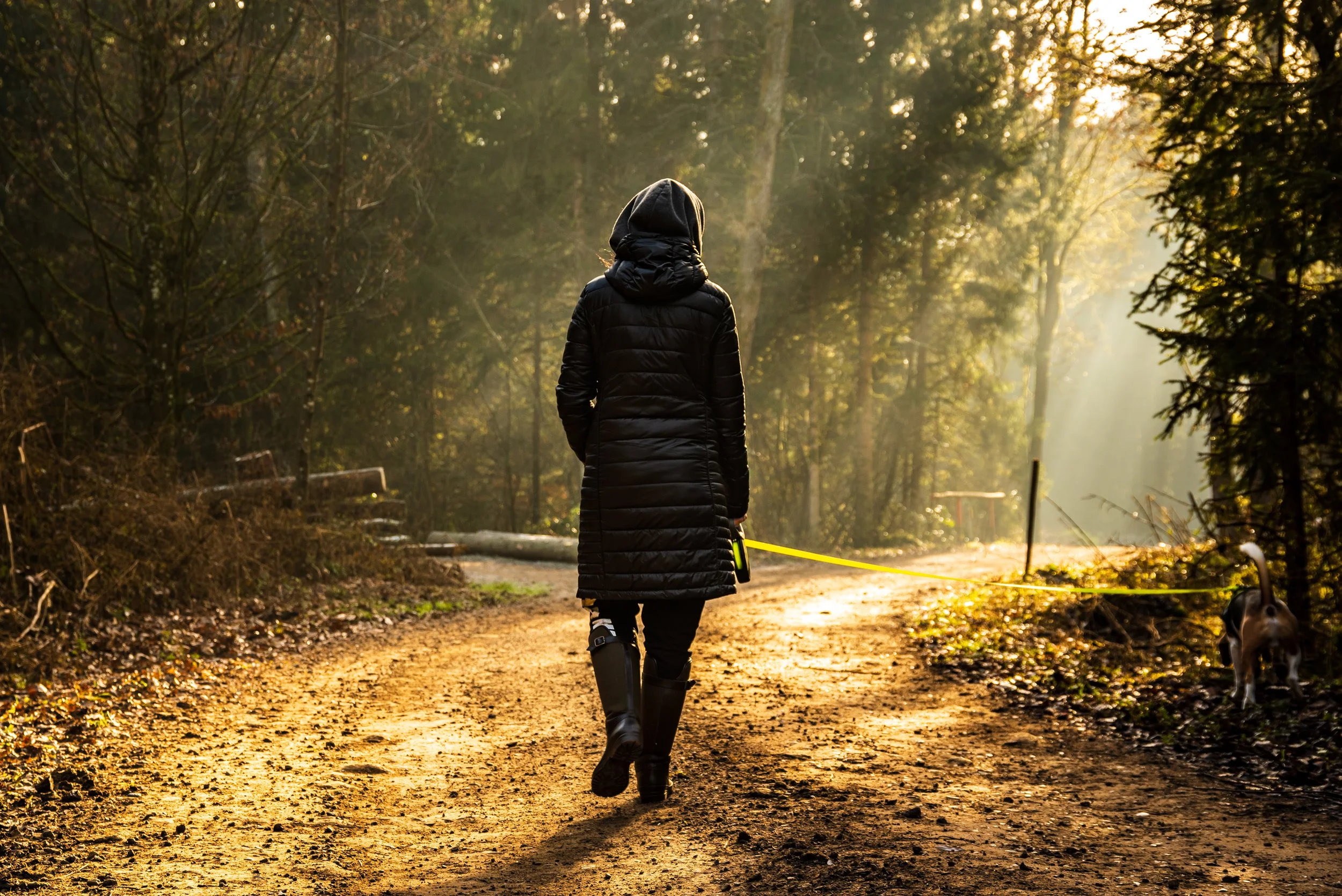
Sometime in the last few centuries, creative work became a sitting activity. The desk, the chair, the fixed position in front of the fixed surface, these became the default image of what serious intellectual and creative work looks like. You sit down to think. You sit down to write. You sit down to compose or design or figure things out. The sitting is so associated with the working that suggesting movement as part of the creative process can sound like a suggestion to not work, to take a break from the real thing.
Rituals for Transitions and Thresholds
Life has a grammar. It moves in sentences and paragraphs and chapters, with beginnings and middles and endings that have shape even when the shape isn't visible until later. The problem is that modern life has largely stopped marking the punctuation.
Good Enough and Why It's So Hard to Mean It
You know, intellectually, that done is better than perfect. You've heard it enough times that it's practically a bumper sticker. You believe it in the abstract. You have probably said it to other writers when they were spinning in revision circles, and you meant it, and it was true.