

Structural Revision
Most writers, when they revise, revise sentences. They return to the draft and read it closely, improving the language, clarifying the unclear, cutting the excess, finding better words for the approximate ones. The sentences get better. The paragraphs become more precise. The voice sharpens.
Killing Your Darlings, Gently
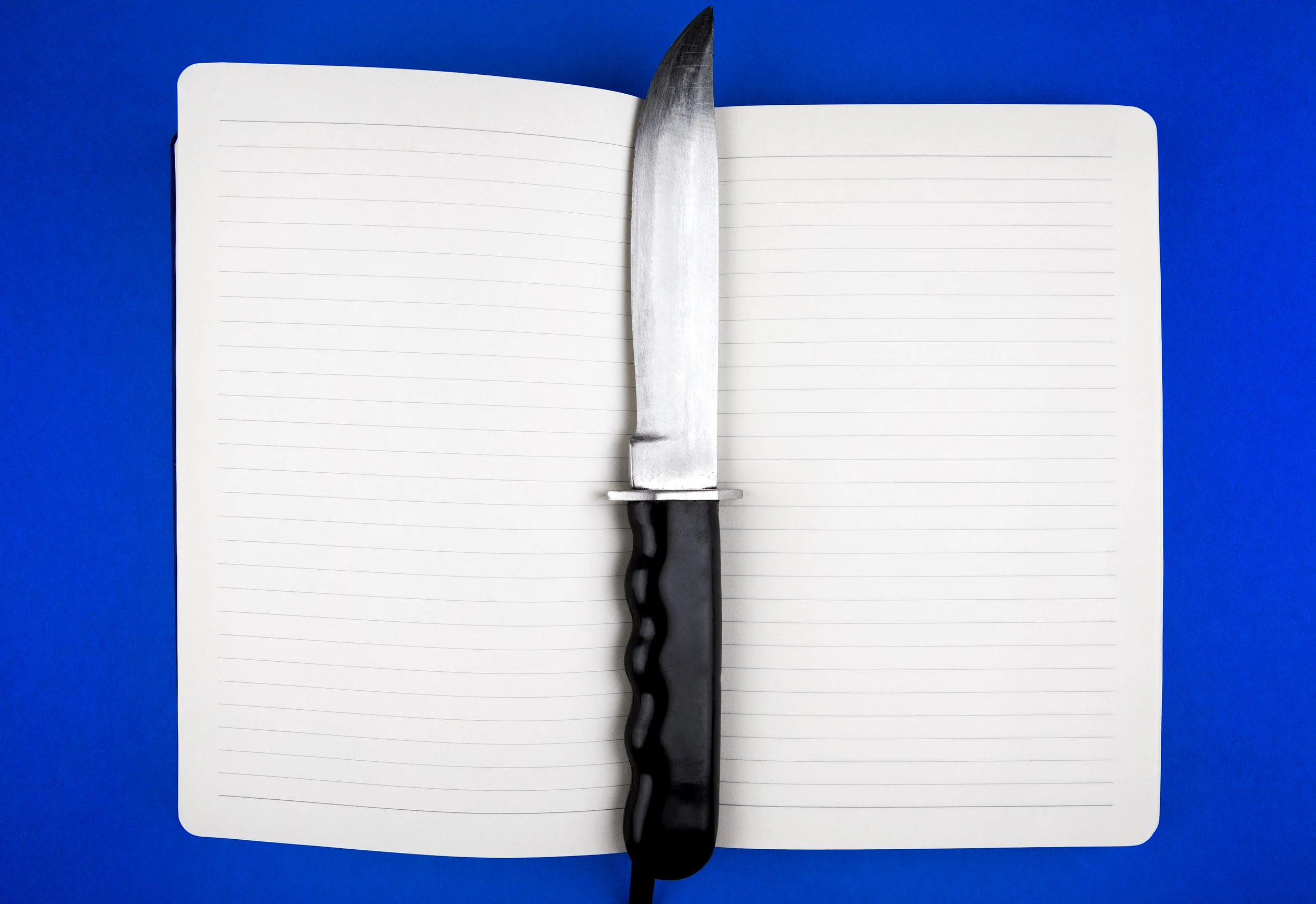
Kill your darlings is one of the most quoted pieces of writing advice in existence, attributed variously to William Faulkner, Oscar Wilde, Samuel Johnson, and Arthur Quiller-Couch, which is itself evidence that the advice is old and widely recognized as important. The instruction is clear in its general direction: the things you love most in your own writing are the things most likely to need cutting.

When to Stop Revising
There is no objective moment when a piece of writing is done. There is no threshold you cross, no quality you achieve, no standard you meet that objectively determines the piece is finished. Every piece of writing could always be different. Most pieces could, with more work, be better in some ways.

The Difference Between Revision and Editing
Writers use the words revision and editing interchangeably, which is understandable because the activities share some territory and the distinction between them isn't always obvious from the outside. Both involve returning to a draft and changing it. Both require reading the draft carefully and making judgments about what's working and what isn't. Both are, in the broadest sense, about improving the piece.

Reading Your Own Work Like a Stranger
The hardest problem in revision is not finding what's wrong with the draft. Most writers, given enough distance from the work, can find plenty wrong with it. The hardest problem is seeing the draft accurately, seeing what's actually on the page rather than what you remember intending to put there, what you intended to communicate rather than what the language is actually doing, what the reader will experience rather than what you experienced writing it.

What Revision Actually Is
Most writers approach revision the same way they approach fixing a broken appliance. Something is wrong with the draft. The revision is the process of finding what's wrong and correcting it. You identify the problems, you solve the problems, and when you've solved enough of them the draft becomes a finished piece. The revision is complete when the problems are gone.